The State of the Footwear Industry in 2026
Footwear is no longer simply about utility. It is about lifestyle, identity, and increasingly, technology
The global footwear industry in 2026 is undergoing a period of transformation. While demand for sneakers, casual footwear, and performance shoes continues to grow globally, the sector is also navigating structural shifts driven by digital commerce, sustainability pressures, and changing consumer expectations. What once seemed like a traditional manufacturing industry has now evolved into a complex ecosystem shaped by culture, technology, and global trade.
Today, footwear is no longer simply about utility. It is about lifestyle, identity, and increasingly, technology.
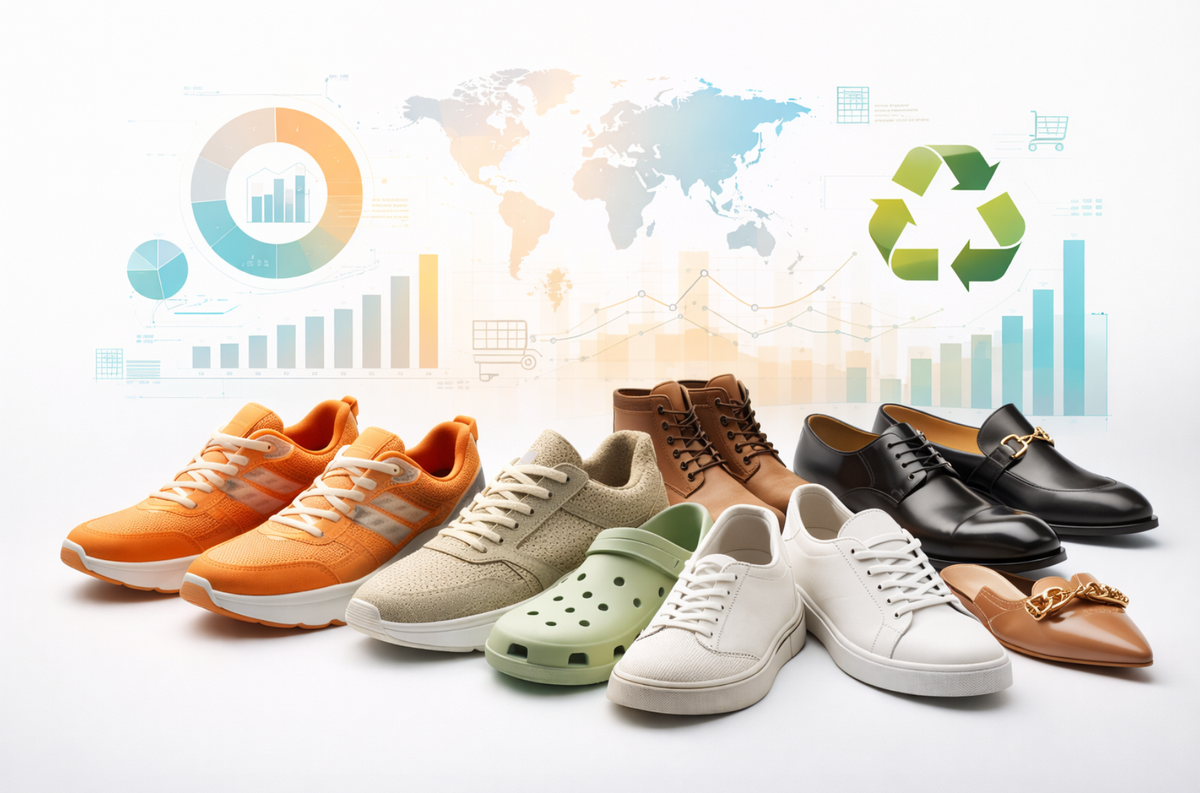
The scale of the industry reflects this importance. Global footwear sales reached approximately $251.9 billion in 2024 and are projected to grow to about $336.5 billion by 2033, reflecting steady long-term expansion driven by fashion trends, retail accessibility, and evolving consumer lifestyles. At the same time, other industry estimates place the global market closer to $476 billion in 2025, with forecasts suggesting it could reach over $675 billion by 2033, highlighting the enormous economic footprint of footwear worldwide.
This growth is being powered by several structural trends. One of the most influential is the continued rise of athleisure, a category that blends performance sportswear with everyday fashion. Sneakers have become the cultural centerpiece of footwear consumption, moving far beyond sports into music, street culture, and luxury fashion. Consumers increasingly expect footwear that can transition seamlessly between work, travel, and leisure, reflecting a broader shift toward comfort and versatility.
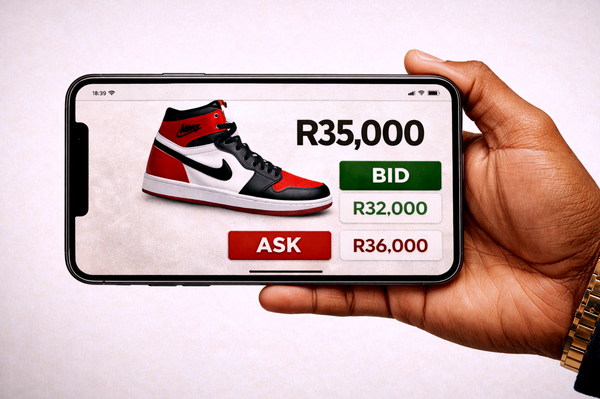
At the same time, rising disposable incomes across emerging markets are expanding the global customer base. Consumers in Asia, Africa, and Latin America are purchasing more footwear, often upgrading within categories to higher-quality or premium products. This has fuelled the growth of limited-edition releases and premium sneaker culture, where design, storytelling, and exclusivity often drive demand as much as functionality.
Despite this global demand, manufacturing remains heavily concentrated in Asia. The region continues to dominate global production thanks to established infrastructure, skilled labor pools, and large-scale supply chains. Countries such as China, India, Vietnam, and Indonesia remain the backbone of footwear manufacturing, supplying the majority of shoes sold worldwide.
However, manufacturing dominance does not come without challenges. Rising wages, increased transportation costs, and volatile global logistics have forced brands to rethink how their supply chains operate. Many companies are exploring regional manufacturing strategies and investing in digital supply-chain management tools to improve forecasting, reduce waste, and shorten delivery times.
The structure of retail is also rapidly changing. The traditional model - where brands relied heavily on department stores and large retail chains - is being disrupted by direct-to-consumer (DTC) sales and online platforms. Brands increasingly prioritize their own digital storefronts and physical flagship stores, allowing them to control pricing, collect consumer data, and build direct relationships with customers.
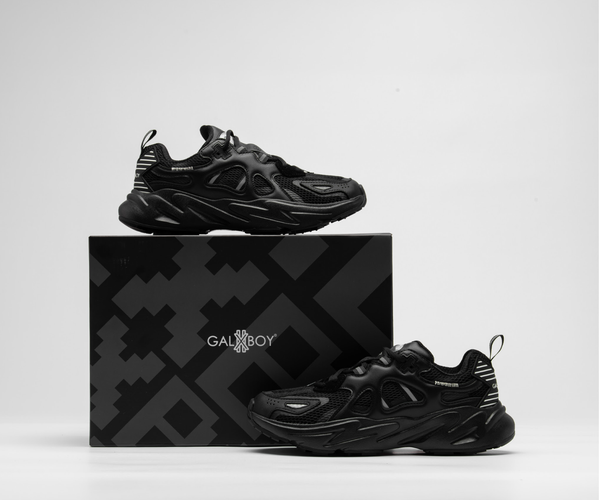
Digital-native footwear brands are thriving in this environment. Built around social media, influencer marketing, and limited online drops, these companies operate with speed and flexibility that traditional brands sometimes struggle to match. Their ability to build communities around products has created a new model for launching and scaling footwear labels.
Yet the industry is also facing internal pressures. One of the biggest challenges today is inventory imbalance. Overproduction during periods of disrupted supply chains has left many brands with excess stock, forcing aggressive discounting and promotional activity across the market. This inventory surplus has highlighted the need for better demand forecasting and more responsive production cycles.
Another defining issue for the footwear industry in 2026 is sustainability. As consumers become more aware of environmental impact, footwear companies are under increasing pressure to adopt sustainable materials and transparent supply chains. The industry is experimenting with recycled fabrics, biodegradable materials, and circular business models where shoes can be refurbished or recycled at the end of their life cycle.
This transition is slow but unavoidable. Footwear production is closely linked to the broader fashion industry, which is often criticized for its environmental footprint. As a result, sustainability is shifting from a marketing narrative to a structural requirement for brands that want to remain competitive.
The competitive landscape itself remains highly fragmented. While global giants such as Nike, Adidas, and Puma continue to dominate in revenue and global reach, the industry includes countless smaller brands, designers, and niche players competing for market share. These emerging labels often succeed by focusing on cultural authenticity, storytelling, and targeted communities rather than mass distribution.
At the same time, the market is becoming increasingly polarized. On one end are luxury and premium footwear brands emphasizing craftsmanship and exclusivity. On the other end is the value segment, where affordability remains the key driver. The middle of the market is under pressure as brands either move upmarket toward higher price points or compete aggressively on value.
In emerging markets such as Africa, this transformation presents a unique opportunity. Young urban consumers are shaping a new sneaker culture that blends global influences with local identity. At the same time, there is growing interest in locally designed and manufactured footwear as consumers seek products that reflect their own cultural narratives.
South Africa, for example, has seen strong retail growth driven by a young urban population and rising demand for fashionable footwear. Athleisure continues to dominate local trends, while increasing awareness of sustainability and ethical production is beginning to shape purchasing decisions.
Looking ahead, the footwear industry will be defined by three key forces: technology, sustainability, and cultural relevance. Companies that successfully integrate digital commerce, environmentally responsible production, and authentic cultural storytelling will shape the next generation of footwear brands.
In 2026, shoes are no longer simply products manufactured in factories and sold in stores. They are cultural objects, technological platforms, and global commodities that sit at the intersection of fashion, identity, and commerce.
And as the industry continues to evolve, the footwear world will remain one of the most dynamic sectors in the global consumer economy.